










Fragrance journal
Eau de Parfum vs Eau de Toilette : Understanding the difference
When it comes to choosing the perfect fragrance, it's essential to understand the difference between Eau de Parfum (EDP) and Eau de Toilette (EDT). While both have their merits, EDP stands out as a fragrance powerhouse, offering numerous benefits that set it apart from its lighter counterpart, EDT.
6 features to understand the difference between Eau de Toilette and Eau de Parfum
Longevity That Leaves a Lasting Impression: One of the most significant advantages of EDP is its exceptional staying power. EDP typically contains a higher concentration of fragrance oils, usually ranging from 15% to 20%. This concentration results in a scent that can grace your skin for six hours or even longer. In contrast, EDT, with its lower concentration, tends to fade much more quickly, often lasting only three to four hours. Whether you're attending a special event, enjoying an evening out, or merely seeking a fragrance that endures, EDP has you covered. Intensity That Commands Attention: EDP doesn't just linger longer; it also offers a more intense olfactory experience. The higher concentration of aromatic ingredients results in a fragrance that's rich, potent, and full-bodied. This intensity can make a lasting impression and ensure you stand out in a crowd. EDT, with its lighter and subtler nature, may not provide the same level of impact or presence. Versatility for All Seasons: While EDP is often associated with evening wear and special occasions, it's more versatile than you might think. Its longevity makes it suitable for year-round use, and its richness can enhance your daytime fragrance game, especially during colder seasons. On the other hand, EDT's lightness may not hold up as well in cooler climates, limiting its year-round appeal. Minimal Reapplication, Maximum Convenience: With EDP, you'll find yourself reaching for the fragrance bottle less frequently. Its long-lasting nature means you can enjoy your chosen scent without the hassle of constant reapplication. In contrast, EDT may require more frequent touch-ups throughout the day, which can be inconvenient for those with busy schedules. A Touch of Luxury: The concentration and longevity of EDP often lend an air of luxury and sophistication to your fragrance experience. When you wear EDP, you're making a statement that you appreciate quality and want your scent to reflect that. This level of refinement is less likely to be achieved with EDT, which may come across as more casual or everyday. Ideal for Special Moments: While EDT has its place in everyday wear and casual settings, EDP truly shines in those unforgettable moments. Whether it's a romantic date, a formal event, or a night out with friends, EDP's intensity and longevity ensure that you leave a lasting impression, making it the perfect choice for those memorable occasions.
Eau de Parfum vs Parfum: what sets them apart
On its own, the word parfum, also called extrait de parfum, names the most concentrated form of all: generally 20% to 30% of aromatic compounds, carried by less alcohol. Eau de Parfum sits just below, at 15% to 20%, the concentration most houses choose for their signature creations.
The difference is felt more than it is seen. A parfum stays close to the skin, in a dense and intimate sillage, and often lasts longer still; it is dabbed on the pulse points rather than sprayed. An Eau de Parfum carries more alcohol, which lifts the top notes and lets the fragrance radiate around you, for six hours or more. One is worn for oneself, the other also for those who pass by.
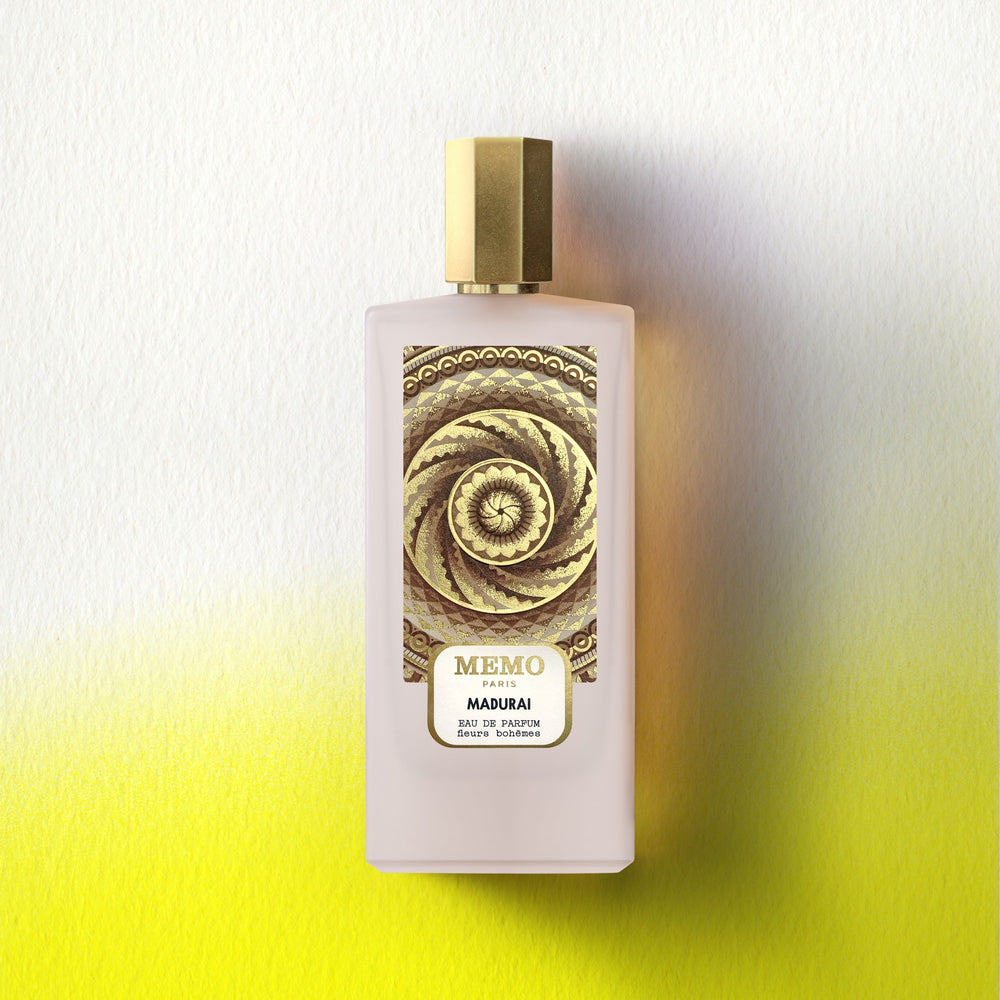
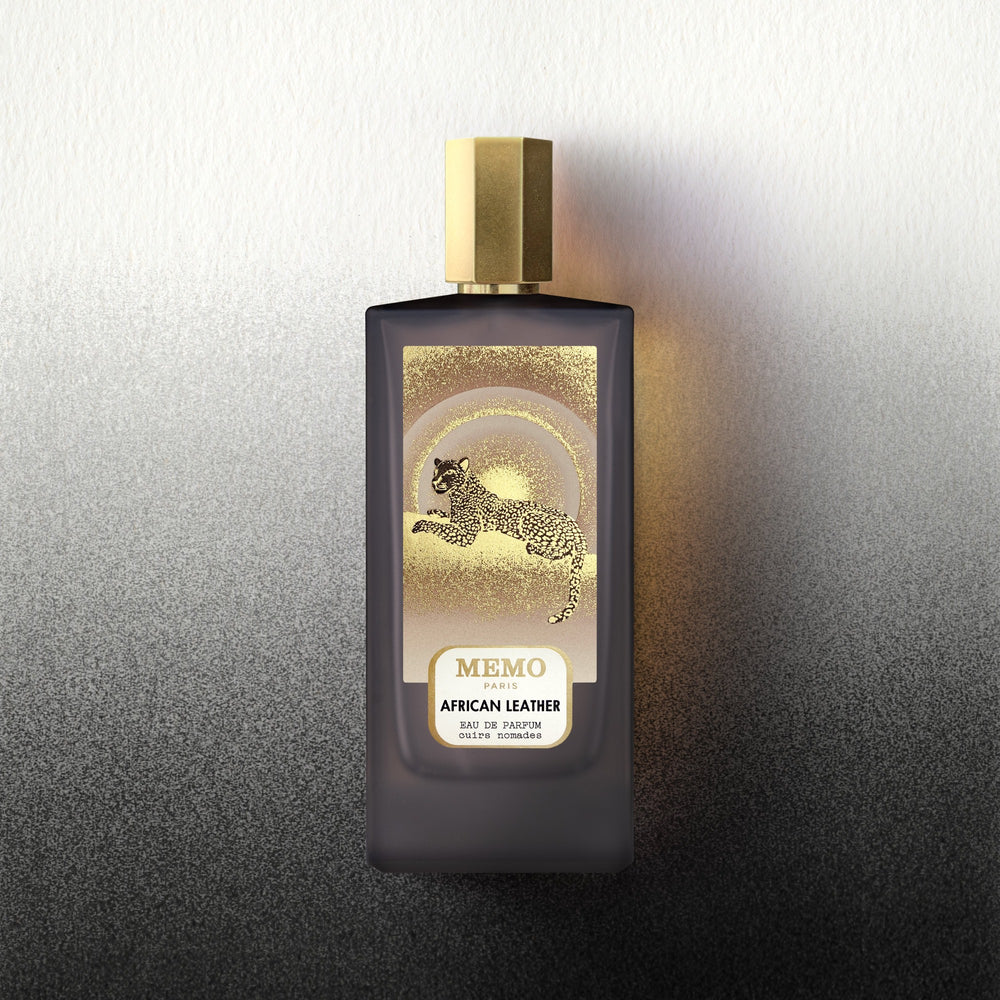
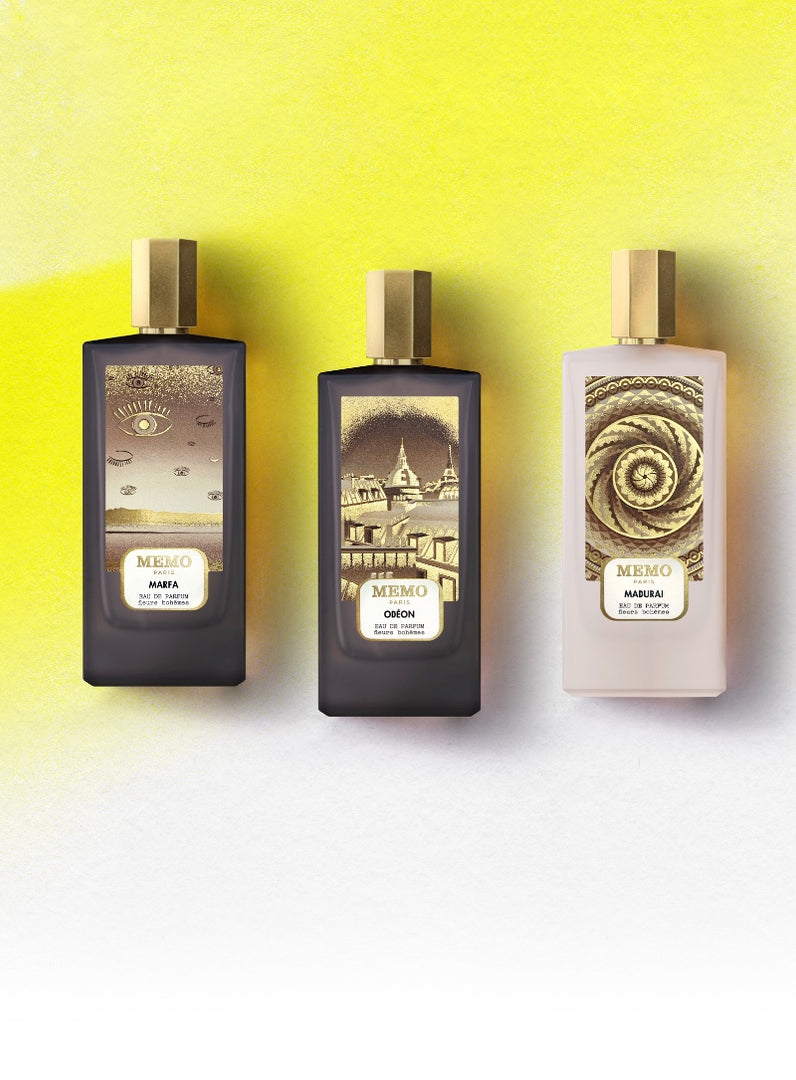
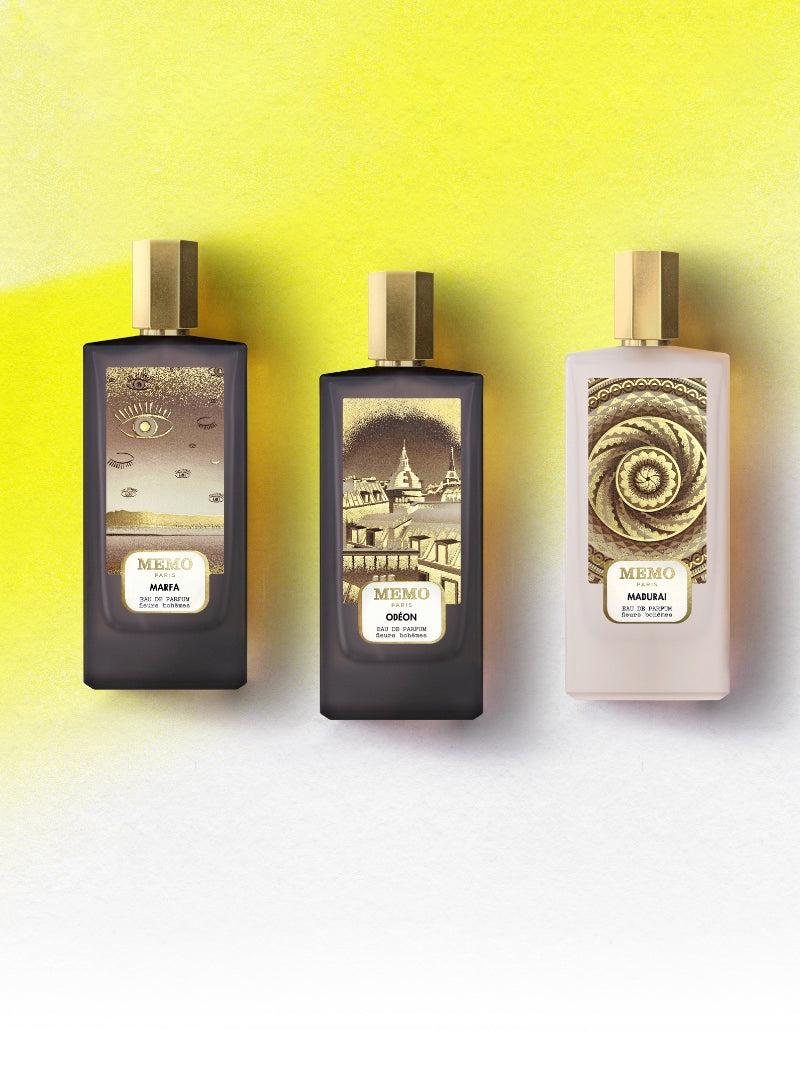
Price follows concentration: a parfum costs more per millilitre and usually comes in smaller bottles. For everyday wear, and for a composition that unfolds from its top notes to its base, Eau de Parfum remains the most balanced choice. It is the concentration Memo Paris has chosen for its collection.
Concentrations at a glance
- Parfum (extrait): 20% to 30%
- Eau de Parfum: 15% to 20%
- Eau de Toilette: 5% to 15%
- Eau de Cologne: 2% to 5%
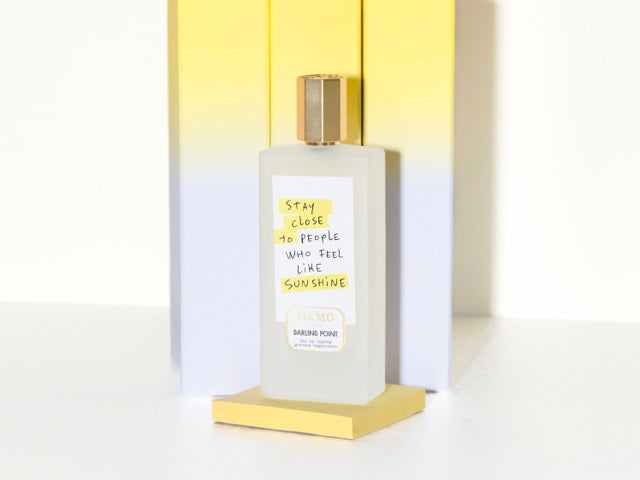
In conclusion, Eau de Parfum (EDP) stands out as the superior choice for those who seek a fragrance experience that's powerful, enduring, and impactful. Its benefits, including longevity, intensity, and versatility, make it a go-to option for special occasions and everyday wear alike. While Eau de Toilette (EDT) has its merits, the allure of EDP's long-lasting, rich scent profile is undeniable. So, whether you're stepping out for a casual outing or preparing for a night to remember, consider EDP as your fragrance companion to leave an unforgettable mark. For these reasons, Memo Paris opts for Eau de Parfum.
On its own, the word parfum, also called extrait de parfum, names the most concentrated form of all: generally 20% to 30% of aromatic compounds, carried by less alcohol.
Fragrances to explore